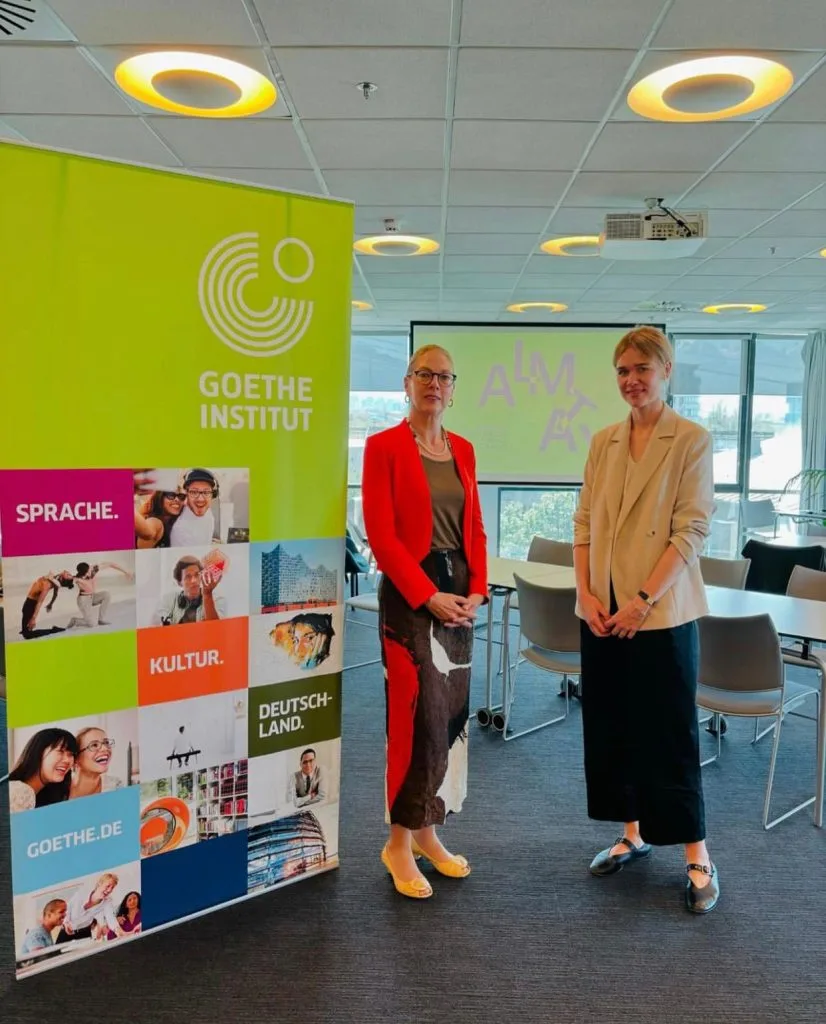
How To Make An Amazing Instagram Video About Cheap Goethe B1 Exam


Affordable Options for the Goethe B1 Exam: A Comprehensive Guide
The Goethe B1 Exam is a popular certification for non-native German speakers, validating their ability to communicate successfully in everyday situations. As the need for German language proficiency increases-- especially among expatriates and worldwide students-- numerous people seek affordable alternatives to get ready for and take the Goethe B1 Exam. In deutschessprachdiplom , we'll explore numerous cost-effective methods, resources, and ideas to get ready for the exam without straining your wallet.
Comprehending the Goethe B1 Exam
Before diving into economical methods to deal with the B1 exam, it's vital to comprehend what it entails. The Goethe B1 Exam evaluates language efficiency at a limit level, focusing on the following abilities:
- Listening: Understanding conversations and conversations in standard German.
- Reading: Comprehending texts encountered in every day life such as pamphlets and leisure short articles.
- Composing: Producing easy texts, such as personal letters and emails.
- Speaking: Participating in everyday conversations and going over familiar subjects.
Accomplishing a good score on the Goethe B1 is significant for those wanting to study or operate in German-speaking countries, making it rewarding to buy preparations.
Affordable Preparation Strategies
1. Use Online Resources
The web is a treasure chest of free and low-cost resources for German language learners. Here's a table showcasing some of the most useful websites:
| Resource | Description | Cost |
|---|---|---|
| Duolingo | A popular language learning app with structured lessons. | Free |
| Goethe Verlag | Official practice products and sample tests. | Differs |
| Deutsche Welle | Uses free online courses and exercises. | Free |
| Babbel | A subscription-based platform with engaging lessons. | Membership |
| Lingoda | Uses online classes with native speakers. | Course charges |
| YouTube Channels | Numerous channels provide free lessons and ideas. | Free |
2. Sign Up With Local Language Groups
Connecting with regional language groups or discussion partners can substantially improve your speaking skills at very little or no cost. Search for the following options:
- Meetup Groups: Search for German language meetups in your city.
- Universities and Colleges: Many institutions have language exchange programs for trainees.
- Community Centers: Check if there are local language classes used for complimentary or at low rates.
3. Use Public Libraries
Public libraries are typically underrated resources. Many libraries provide open door to language knowing software application like Rosetta Stone or Pimsleur, together with different German books, audiobooks, and online resources.
4. Enroll in Affordable Online Courses
While standard language schools can be pricey, there are several affordable online courses that cater particularly to B1 exam preparation. Here's a list of some that provide outstanding value:
- FluentU - Interactive language learning through real-world videos.
- Udemy - Periodically uses discounts on B1 exam preparation courses.
- Coursera - Learn from university courses that are available totally free or at a nominal charge.
- italki - One-on-one sessions with language tutors at various price points.
Cost of the Goethe B1 Exam
The cost of taking the Goethe B1 Exam can differ depending upon the exam place and testing center. Below is a breakdown of possible expenses:
| Country/Region | Approximated Cost |
|---|---|
| Germany | EUR150 - EUR170 |
| Austria | EUR140 - EUR160 |
| Switzerland | CHF 200 - CHF 250 |
| Online Registration | Varies (check specific centers) |
Financial Aid and Discounts
For people who may find exam costs expensive, some language schools and cultural institutions offer scholarships or discount rates. It's worth inquiring at regional German cultural centers or language organizations regarding monetary help options.
Efficient Study Plans
Producing a study strategy is vital to successfully get ready for the B1 exam. Here are key components to consider:
- Set Realistic Goals: Break your study into workable chunks focusing on all four crucial areas.
- Study Schedule: Create a day-to-day or weekly schedule devoting time to practice listening, speaking, reading, and composing.
- Mock Exams: Regularly take practice tests to acquaint yourself with the exam format and examine your readiness.
- Feedback: Engage with a language partner or instructor who can offer constructive feedback on your progress.
Frequently asked questions About the Goethe B1 Exam
Q: How long does it require to prepare for the Goethe B1 Exam?
A: Preparation time differs from private to specific. Usually, students may require in between 3-6 months of constant study to successfully get ready for the B1 exam.
Q: What are some pointers for the speaking area?
A: To master the speaking area, practice frequently with a partner, tape your actions to sample concerns, and concentrate on daily vocabulary.
Q: Are there any advised apps for practicing German?
A: Yes! Suggested apps consist of Duolingo, Babbel, and Memrise, which provide engaging formats for vocabulary and grammar practice.
Q: Can I retake the exam if I do not pass?
A: Yes, individuals can retake the Goethe B1 Exam as lot of times as required. Nevertheless, it's advised to spend some time to prepare before trying a retake.
Q: Is the Goethe B1 recognized worldwide?
A: Yes, the Goethe B1 certification is recognized across numerous institutions in German-speaking nations and numerous other international settings as proof of language competency.
Accomplishing success in the Goethe B1 Exam doesn't need to be a costly venture. By leveraging free resources, getting in touch with regional communities, and strategically preparing your study schedule, people can successfully prepare without breaking the bank. With motivation and the right tools, the pathway to obtaining the Goethe B1 certification is more affordable than ever. Pleased studying!